Educational content on habit systems and routines. Not medical, psychological or health services. Auckland, New Zealand.
Understanding Behaviour

The Science of Habit Systems

Habits aren't built through willpower alone. They're designed through understanding the habit loop—cue, routine, and reward—and creating systems that make desired behaviours automatic.

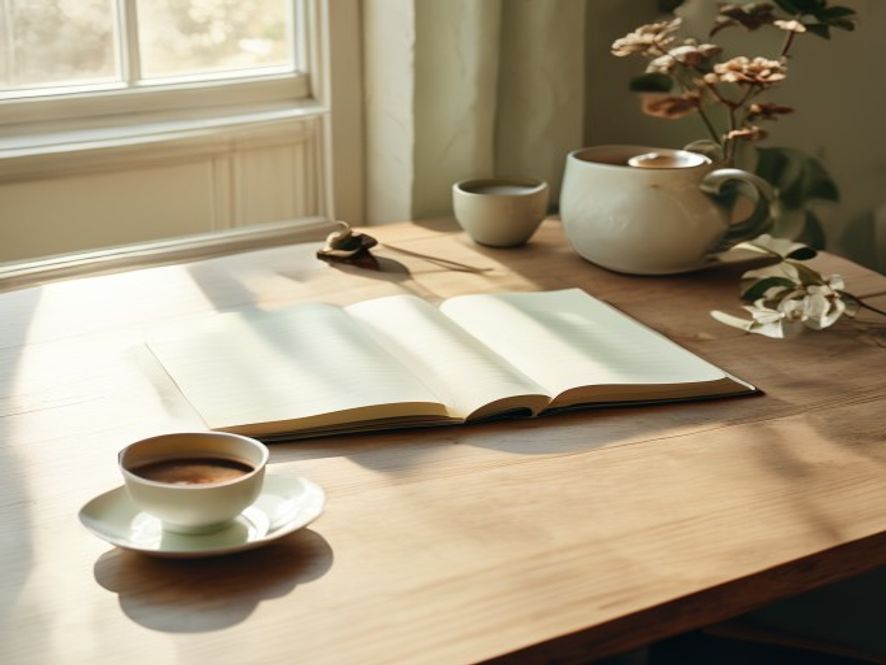
Clean workspace with open notebook showing habit framework diagram and pen

The Habit Loop: Cue → Routine → Reward

Every habit follows the same neurological pattern. Understanding each element lets you design habits intentionally.

1

The Cue (Trigger)

A cue is the signal that prompts the behaviour. It can be a time, location, person, preceding action, or emotional state. Morning light triggers a wake-up routine. Walking past the fridge triggers a snacking urge. Your phone buzzing triggers checking messages.

Design strategy: Make cues visible and consistent. If you want to drink more water, put a glass on your desk. If you want to stretch, set a phone reminder at the same time daily.

2

The Routine (Behaviour)

The routine is the behaviour itself—the action you take in response to the cue. It's usually the part people focus on. But routines are easier to change when the cue and reward are clear.

Design strategy: Start small. A 2-minute routine is easier to maintain than a 30-minute commitment. Once small routines are automated, you can extend them.

3

The Reward

The reward is what your brain receives after the routine. It's the dopamine hit that reinforces the habit loop. Rewards can be physical (sugar, endorphins), social (praise, connection), or psychological (accomplishment, relief).

Design strategy: Make rewards immediate and satisfying. If you exercise, feel the post-workout energy. If you meditate, notice the calm. Track small wins visibly.

Habit Stacking: Building on Anchors

Instead of creating habits from scratch, attach them to existing daily routines.

Current Habit

Something you already do consistently

+
New Habit

The new behaviour you want to build

=
Stronger Pattern

Compound routines that reinforce each other

Habit Stacking Examples:

  • After my morning coffee (current habit) + I write three intentions (new) = morning clarity routine
  • When I close my laptop (anchor) + I do a 2-minute walk (new) = work-to-evening transition
  • Before I check email (habit) + I drink a glass of water (new) = hydration anchor
  • After dinner (existing) + I prepare tomorrow's workspace (new) = prep routine

Environmental Design for Habit Success

Your environment shapes your habits more than willpower does.

Visibility

Make desired habits visible and tempting. Keep water on your desk. Lay out workout clothes the night before. Put books in your reading corner. What you see, you're more likely to do.

Friction

Add friction to bad habits, remove it from good ones. Keep snacks in a closed cupboard (friction). Keep vegetables at eye level in the fridge (low friction). Move the phone out of arm's reach (friction to checking).

Default

Set up your environment so the default action is the one you want. If your phone defaults to grayscale, scrolling is less tempting. If your kettle is on the stove, making tea feels natural.

Social

Habits are contagious. Surround yourself with people who embody the habits you want. Join a walking group, find an accountability partner, or share goals with friends.

Handling Disruption

Recovery Protocols

Habits break. You'll miss days, skip weeks, or abandon routines during stress or travel. This isn't failure—it's normal. What matters is how quickly you resume.

Our coaching emphasises building resilience into your systems. We explore the 48-hour rule: if you miss a habit, restart within 48 hours before it fully lapses. We discuss how to scale routines down during difficult periods, and how to rebuild after disruption.

Successful people don't avoid slipping. They just don't stay slipped. Understanding this changes how you approach setbacks.

Learn Recovery Strategies
Notebook with progress chart and pen on wooden desk, soft afternoon light

Habit Categories Worth Building

Different life areas benefit from different habit approaches:

Morning Routines

Morning habits set the tone for your day. Consistency in wake time, hydration, movement, or planning creates psychological momentum.

Movement & Breaks

Built-in movement throughout the day combats sedentary patterns. Even 2-minute hourly breaks shift energy and focus.

Work Transitions

Rituals that mark the shift from work to personal time help your brain switch modes. A walk, a shower, or a specific beverage can signal the transition.

Evening Wind-Down

Evening routines signal your body to prepare for rest. Consistency in wind-down time, light exposure, and calming activities improves sleep quality.

Social Connection

Regular connection—a call to a friend, a coffee date, group activities—is a habit that sustains wellbeing and accountability.

Learning & Growth

Reading, skill-building, or knowledge work built into daily routines compounds over months and years into significant development.

Ready to Design Your Habit System?

Our coaching programs help you apply these frameworks to your specific life context.

Explore Programs